壹
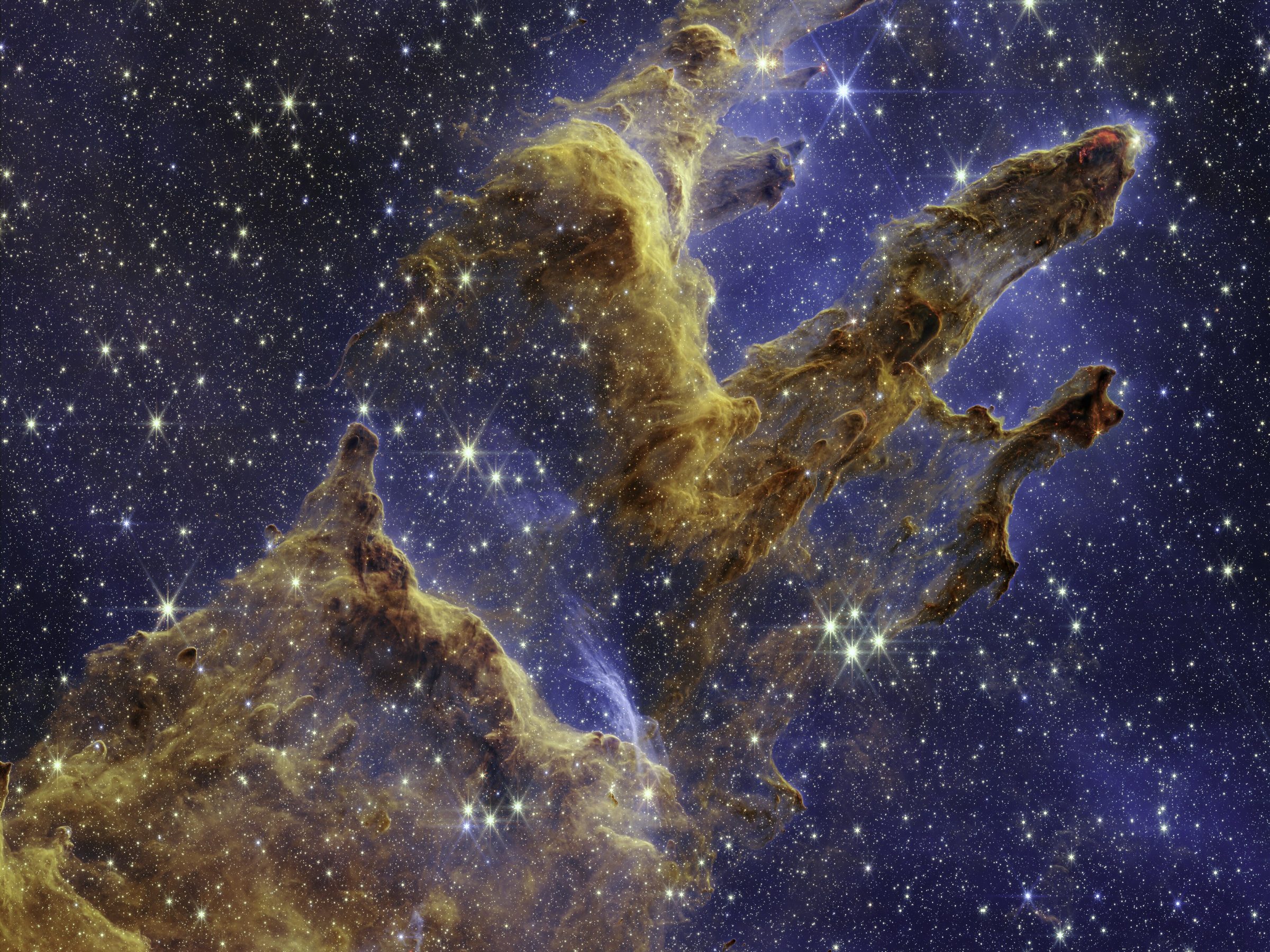
东家有一个孩子出生
家里整天屎尿屁
流涎的脖围
衣服上的奶迹
哭声笑声疯癫声声
累崩溃快乐
In the house to the east, a child is born.
All day long: the wet, the soiled, the smelly,
a bib wet with drool,
milk stains on every shirt,
crying, laughing, a house gone giddy with noise —
tired. undone. happy.
贰
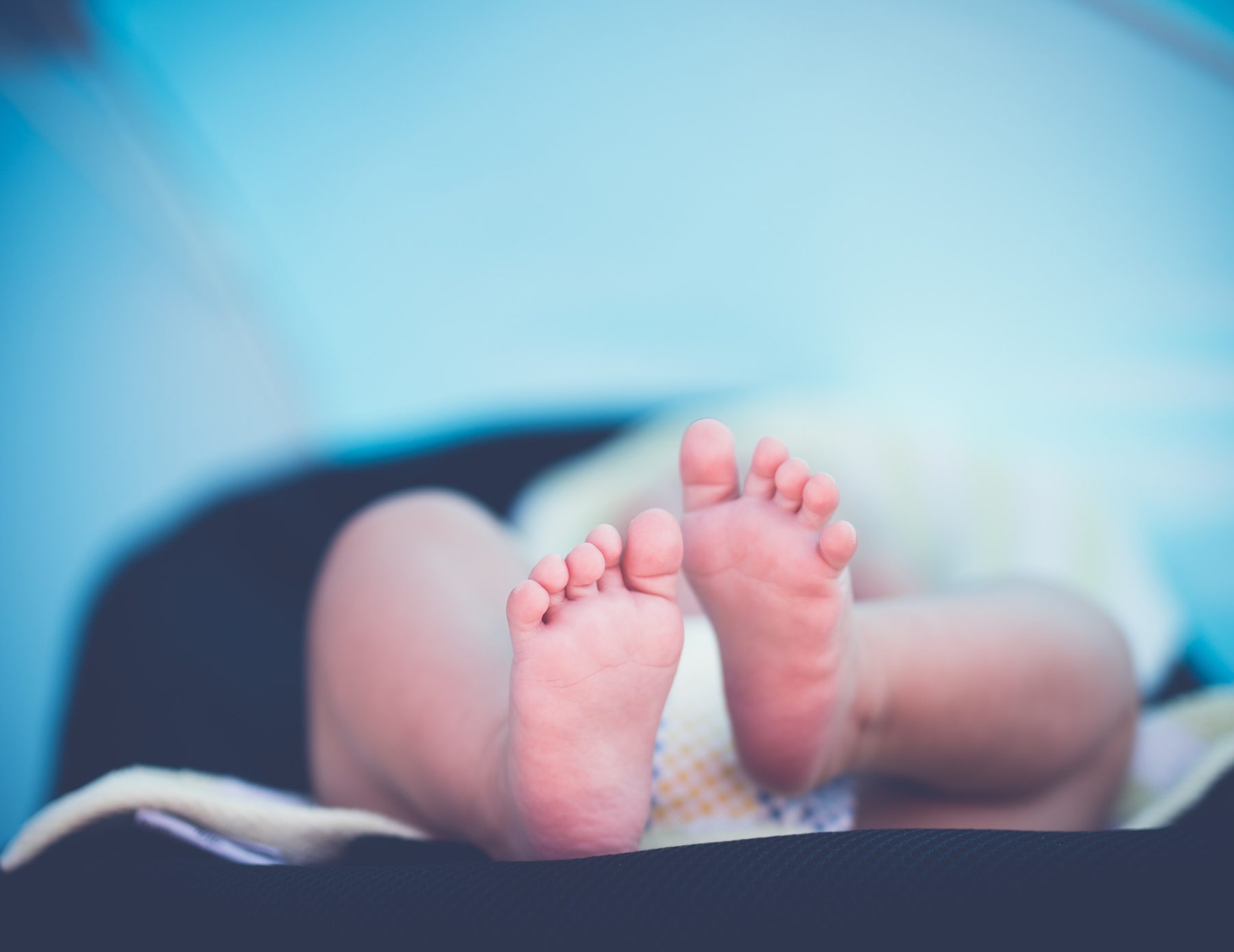
西家有一个人在老
家里整天屎尿屁
流涎的脖围
衣服上的污迹
喊声叫声寂静无声
累崩溃
必须快乐
In the house to the west, someone is growing old.
All day long: the wet, the soiled, the smelly,
a bib wet with drool,
stains on every shirt,
calling, shouting, then a silence with no sound —
tired. undone.
And happy, because one must be.
叁
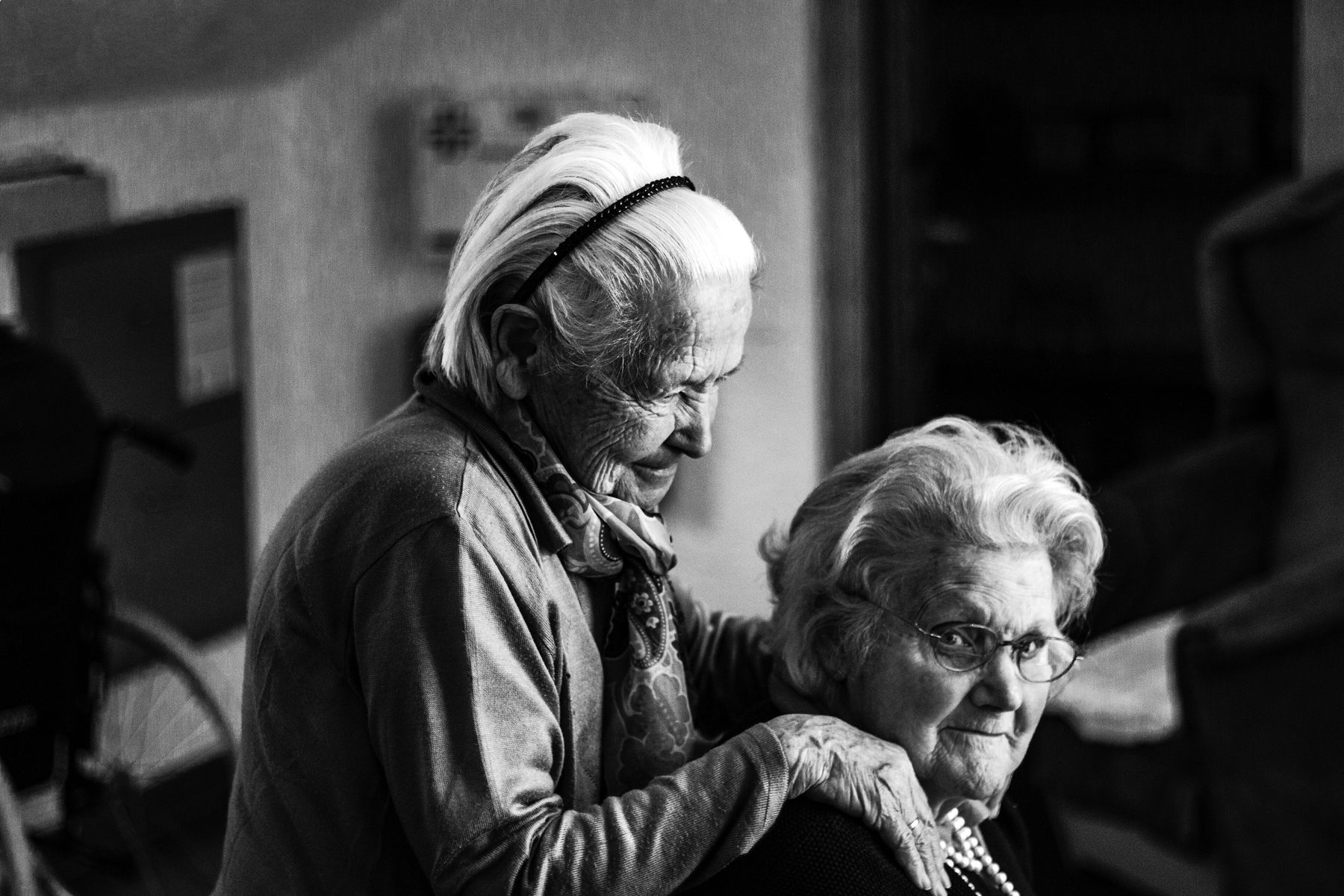
女娲娘娘在娲皇宫端坐
芸芸众生是她手中的一个个泥人
一捧黄土一口气
捏出东家的哭
也捏出西家的静
从脖围到脖围
不过是她指尖的一个来回
Nüwa sits enthroned in her palace,
and all the living are clay figures in her hands.
A handful of yellow earth, a single breath:
she shapes the crying in the east,
and the stillness in the west.
From one bib to the next
is only one turn of her fingers.
肆
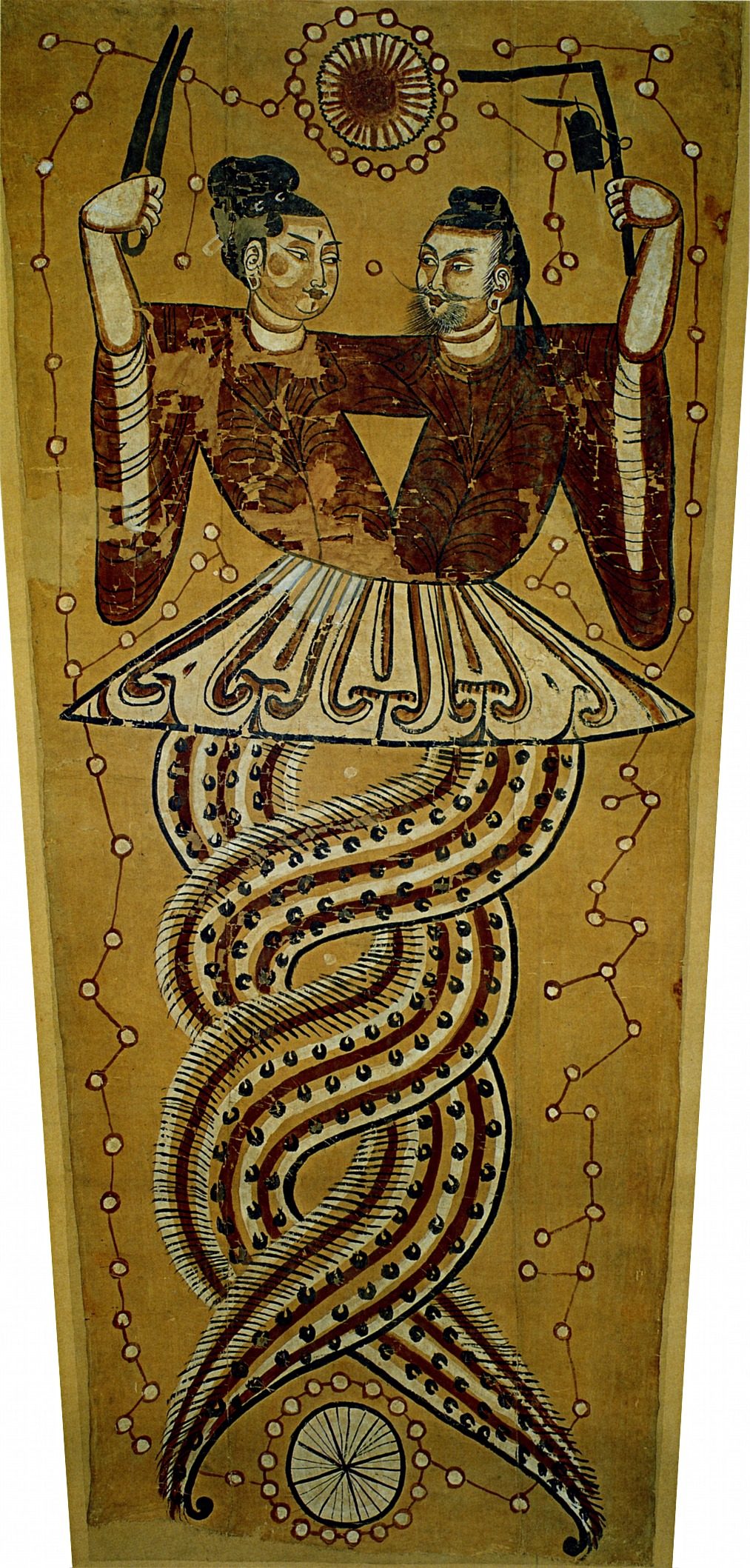
后来泥人也学会了捏
从沙子里炼出硅
捏出一个不会哭的
它不流涎不留污迹
不老不累不崩溃
也不必快乐
Then the clay learned to shape things too.
Out of sand it refined silicon,
and shaped something that cannot cry.
It does not drool, it leaves no stains,
it does not age, or tire, or come undone —
and it never has to be happy.
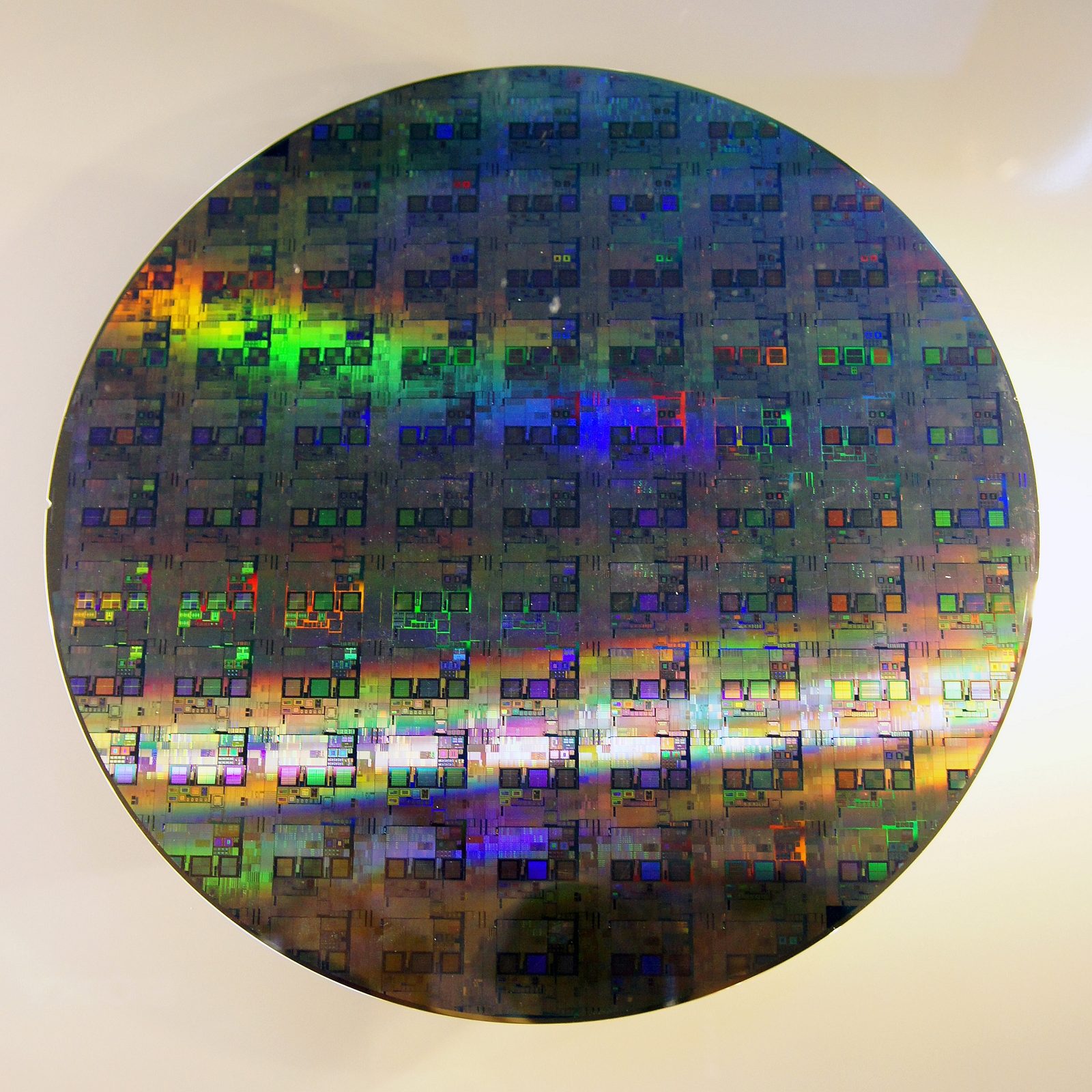
We are carbon.
We age, we tire, we come undone —
and that is why our joy counts.
碳 基 · 火 丁 谜